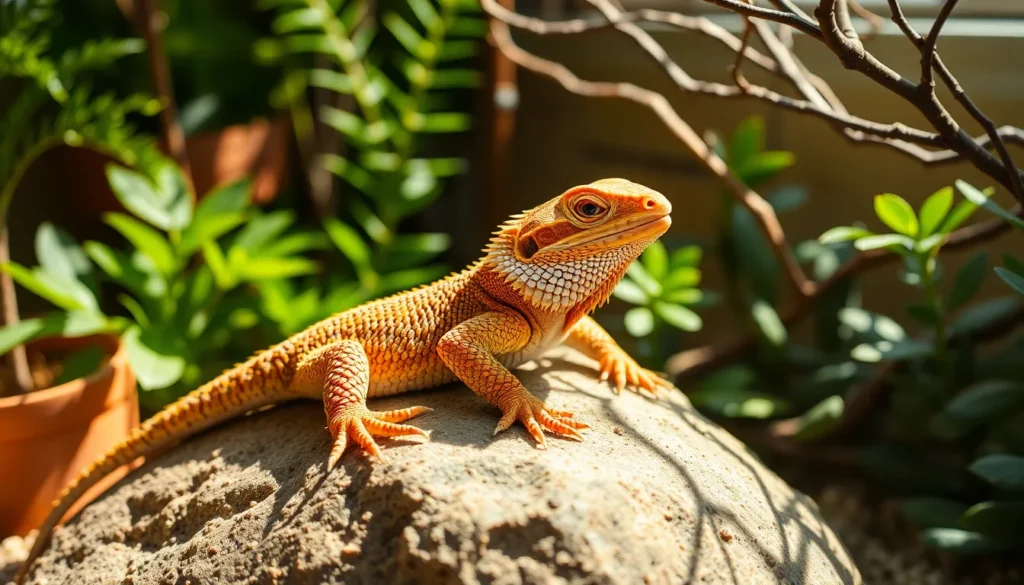
Bearded dragons are the rock stars of the reptile world, charming their way into hearts and homes. With their quirky personalities and sunbathing habits, it’s no wonder they’ve become a favorite among pet lovers. But how long can these scaly companions stick around to bask in the spotlight?
Understanding Bearded Dragon Lifespan
Bearded dragons typically live between 8 to 12 years in captivity. Factors influencing their lifespan include genetics, diet, habitat conditions, and overall care. Providing a balanced diet rich in vitamins, minerals, and protein enhances their health, which contributes to a longer life.
Lifespan can vary based on species. Common species, like the central bearded dragon, often thrive well with good care, reaching up to 12 years. In contrast, lesser-known subspecies may face unique challenges that affect longevity.
Proper habitat setup plays a crucial role. Enclosures must provide adequate space, temperature gradients, and a UVB light source. Such conditions support natural behaviors, like basking, which improves health and vitality.
Regular veterinary check-ups ensure early detection of potential health issues. Preventive care can increase life expectancy significantly. Parasite control, for instance, is essential in keeping bearded dragons healthy.
Age also affects their needs. Young dragons require more protein for growth, while older ones benefit from a diet that’s lower in protein yet higher in fiber. Adjusting their diets based on age contributes to their well-being.
Stress factors can decrease lifespan. Recognizing stress signs, such as lack of appetite or lethargy, can prompt quick action. Eliminating stressors, like loud noises or aggressive companions, helps to maintain their health.
A combination of genetics, diet, environment, and care determines how long a bearded dragon lives. With the right conditions, these reptiles achieve a fulfilling life, enriching their owners’ experiences as cherished pets.
Factors Affecting Lifespan
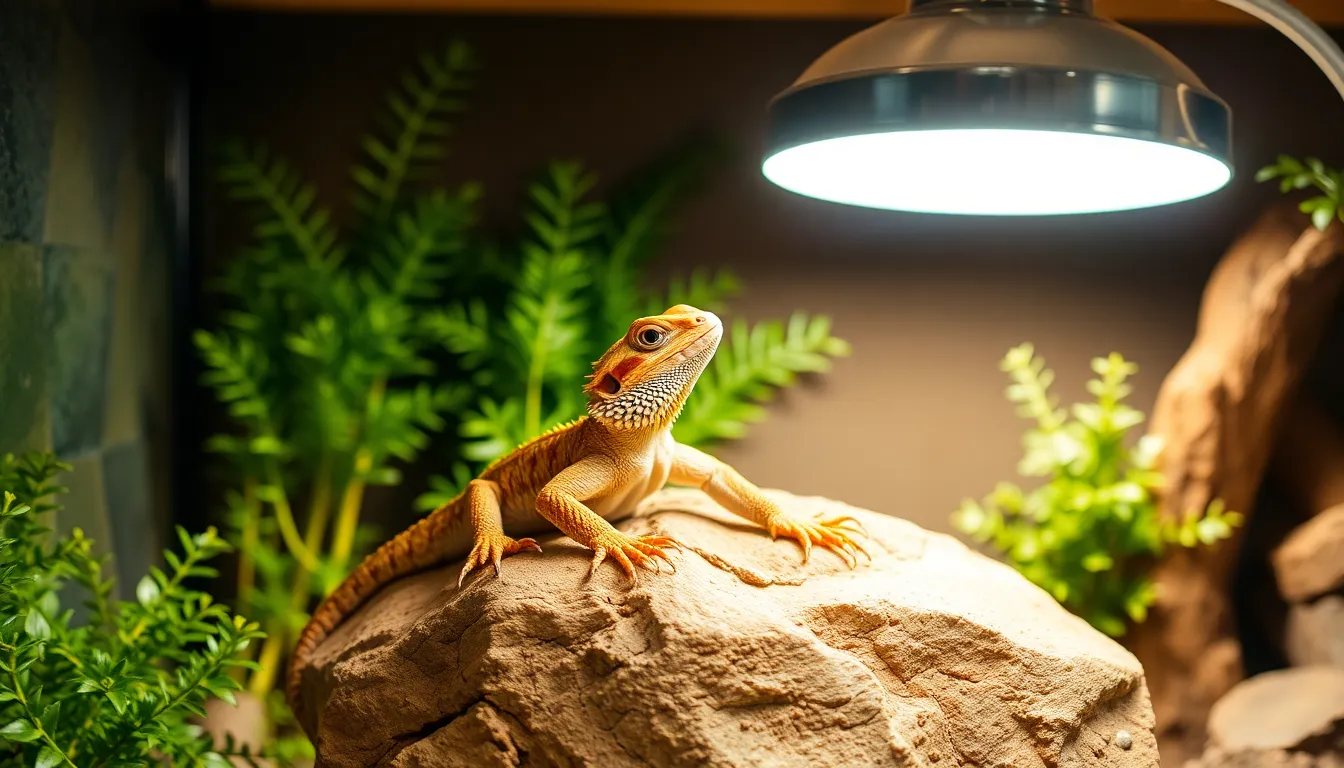
Several factors significantly influence how long bearded dragons live. Key aspects include genetics, environment, and diet.
Genetics
Genetics plays a crucial role in the lifespan of bearded dragons. Certain subspecies, such as the central bearded dragon, often show greater resilience and longer life expectancy than others. Selective breeding can also impact health traits, which may result in variations in lifespan. Healthy genetic backgrounds contribute to robust immune systems and disease resistance. In contrast, poor genetic traits might predispose individuals to health problems that shorten their lifespan. Understanding these hereditary factors can aid owners in choosing healthy bearded dragons to ensure longer companionship.
Environment
An appropriate environment is essential for bearded dragon health. Correct habitat setup includes temperature gradients, UVB lighting, and adequate space for movement. Proper temperatures allow these reptiles to regulate body heat, which supports metabolic functions. UVB light helps synthesize vitamin D3, important for calcium absorption and bone health. When environmental conditions remain stable, stress levels decrease. Stress can lead to weakened immune responses, making dragons susceptible to diseases, thus affecting longevity. Providing a stimulating environment enhances overall well-being, ultimately contributing to a longer lifespan.
Diet
Diet significantly influences the health and lifespan of bearded dragons. A balanced diet includes a variety of insects, leafy greens, and the right levels of vitamins and minerals. Insects like crickets and roaches serve as crucial protein sources, while greens supply essential nutrients. Malnourished dragons may experience stunted growth and health issues, which can shorten their lives. Regularly adjusting their diet according to age and activity level helps maintain optimal health. Additionally, ensuring proper hydration through fresh water is vital. Focused dietary choices enhance the quality of life and promote longevity for these fascinating reptiles.
Average Lifespan of Bearded Dragons
Bearded dragons generally have a lifespan influenced by various factors. These reptiles typically live between 8 to 12 years in captivity, making them relatively long-lived pets.
In Captivity
In captivity, genetics and care play a significant role in bearded dragon longevity. Factors like a balanced diet, proper habitat conditions, and regular veterinary care often lead to healthier and longer lives. For instance, central bearded dragons thrive under optimal conditions, frequently reaching the upper end of the lifespan range. A well-maintained environment enhances their overall health and reduces stress, crucial for their longevity. Engaging with them daily can also promote their well-being, ensuring they are socialized and active.
In the Wild
In the wild, bearded dragons face numerous challenges that impact their lifespan. Predators, food scarcity, and environmental stresses can significantly shorten their life expectancy compared to captive counterparts. Typically, wild bearded dragons survive around 5 to 8 years. Conditions such as harsh weather and competition for resources also factor into their shorter lifespans. The harsh realities of their habitat create a more precarious existence, making survival difficult. Nonetheless, those that manage to live longer may reach similar age thresholds as their captive relatives, albeit less frequently.
Ways to Extend Lifespan
Optimizing care for bearded dragons directly impacts their longevity. Certain important practices significantly enhance their life expectancy.
Proper Care
Providing proper care involves ensuring a balanced diet rich in nutrients. A mixture of leafy greens, vegetables, and insects promotes overall health. Maintaining appropriate habitat conditions also plays a crucial role; consistent temperatures, adequate space, and UVB lighting help sustain metabolic functions. Clean water must always be accessible to prevent dehydration. Monitoring for any signs of illness encourages early intervention. Fulfilling these basic care needs supports thriving bearded dragons throughout their lifespans.
Regular Veterinary Check-ups
Scheduling regular veterinary check-ups is vital for monitoring health. These check-ups allow for preventive care and early detection of potential issues. Annual visits can help identify any changes in weight, appetite, or behavior. Veterinary advice on parasite control can prevent infestations that significantly affect health. Experts frequently recommend vaccinations and routine blood tests based on specific needs, keeping bearded dragons in optimal condition. Comprehensive care from professionals adds years to their lives.
Stress Management
Effective stress management contributes to enhanced longevity. Creating a calm environment allows bearded dragons to feel secure and thrive. Avoiding excessive handling and sudden changes in their surroundings minimizes anxiety. Providing hiding spaces and enrichment activities promotes natural behaviors, reducing stress levels. Understanding their body language helps recognize when they feel threatened or uncomfortable. Implementing these strategies improves well-being and supports longer lifespans for these cherished pets.
Bearded dragons can be delightful companions for many years when given the right care. Their lifespan often reflects the quality of their environment and diet. By focusing on proper habitat setup and regular veterinary care, owners can help ensure their bearded dragons thrive and reach their full potential age.
Understanding the individual needs of each species and making necessary adjustments can further enhance their well-being. With attentive care and a nurturing environment, these reptiles can enjoy long and healthy lives, bringing joy to their owners for nearly a decade or more.