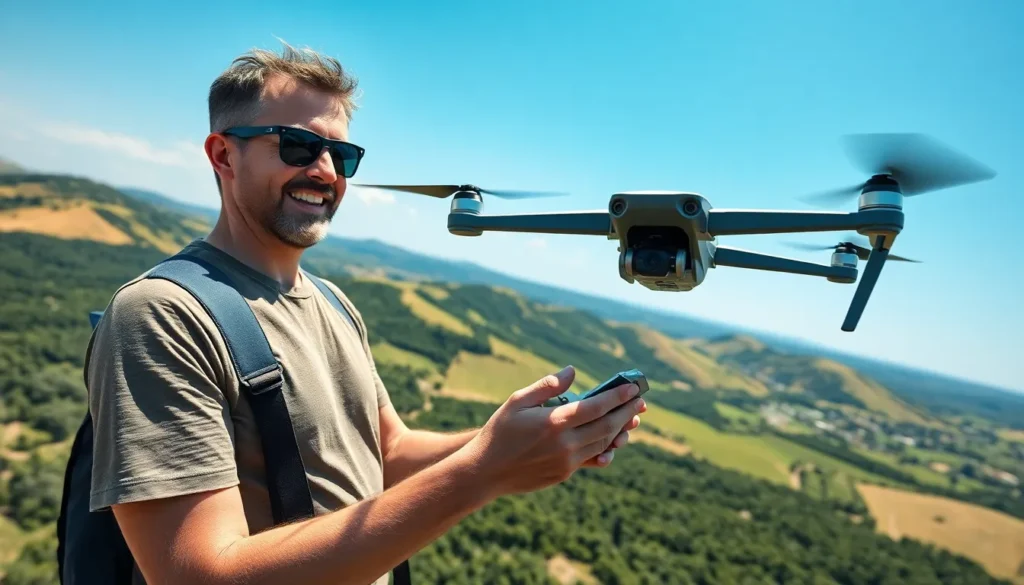
In recent years, camera drones have transformed the way people capture and share their experiences. These innovative devices offer stunning aerial perspectives that were once reserved for professional filmmakers and photographers. Now, anyone can take to the skies and explore the world from a whole new angle.
With advancements in technology, camera drones have become more accessible and user-friendly. Whether it’s for breathtaking landscape photography, dynamic real estate videos, or simply capturing family moments, these flying cameras are revolutionizing creative expression. As they continue to evolve, the possibilities for their use seem endless, making them an essential tool for hobbyists and professionals alike.
Overview Of Camera Drones
Camera drones are UAVs (Unmanned Aerial Vehicles) equipped with cameras for photography and videography purposes. These drones have transformed creative expression by providing unique aerial viewpoints. Users can capture breathtaking images and videos, making previously inaccessible angles available to everyone.
Key Features of Camera Drones
- High-Resolution Cameras: Most camera drones include cameras with resolutions ranging from 12 MP to over 20 MP, enabling clear and sharp images.
- Stabilization Technology: Many drones feature gimbal stabilization, preventing blurriness caused by movement during flight.
- GPS Functionality: Integrated GPS allows for precise navigation and location tracking, enhancing user control over flight paths.
- Real-Time Streaming: Several models support live video streaming, facilitating instant sharing of experiences via social media platforms.
Applications of Camera Drones
- Landscape Photography: Enthusiasts utilize camera drones to capture expansive landscapes from elevated heights.
- Real Estate: Agents employ aerial shots to showcase property features, providing potential buyers with comprehensive views.
- Social Events: People document weddings, parties, and family gatherings with aerial footage for lasting memories.
Market Trends
- User-Friendly Designs: Recent developments prioritize intuitive controls, appealing to novices.
- Increased Affordability: Prices have decreased significantly, making camera drones accessible to a broader audience.
- Enhanced Battery Life: Innovations in battery technology have extended flight times, often reaching 30 minutes or more per charge.
Camera drones continue to reshape photographic techniques, offering innovative methods for capturing and sharing experiences. Their rise demonstrates technology’s role in democratizing creative tools for both casual users and professionals.
Types Of Camera Drones
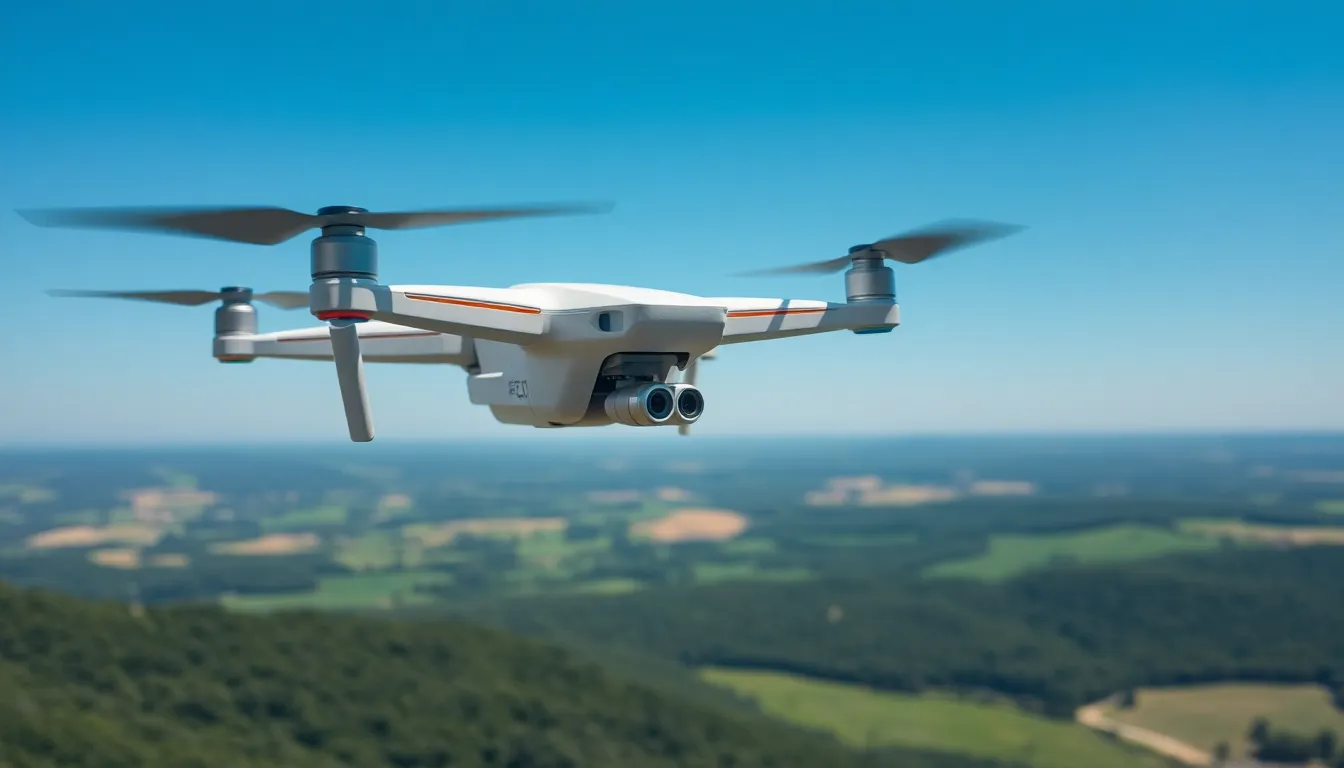
Camera drones come in various types, catering to different users and purposes. Understanding these categories helps users select the right drone for their needs.
Consumer Camera Drones
Consumer camera drones target hobbyists and casual photographers seeking an easy-to-use aerial photography solution. They typically feature compact designs, automated flight modes, and user-friendly controls. Key attributes include:
- Affordability: Prices range from $300 to $1,500, making them accessible for most users.
- Camera Quality: Equipped with cameras ranging from 12MP to 48MP, these drones capture high-resolution images and video.
- Flight Time: Average flight time hovers between 20 to 30 minutes per charge.
- Durability: Built to withstand minor crashes and adverse weather conditions, enhancing usability for amateurs.
Examples of popular consumer camera drones include the DJI Mini and the Parrot Anafi.
Professional Camera Drones
Professional camera drones cater to filmmakers, real estate agents, and content creators needing advanced features and capabilities. These drones offer superior performance and often come with higher price tags. Notable characteristics include:
- High-End Cameras: Equipped with 20MP to 100MP cameras, these devices provide exceptional image quality and support for interchangeable lenses.
- Extended Flight Time: Flight times typically exceed 30 minutes, allowing extended shooting sessions.
- Advanced Stabilization: Features like 3-axis gimbals ensure smooth video capture, crucial for professional projects.
- Customization: Many professional drones allow for modular additions, like thermal sensors or high-zoom lenses, catering to specific industry needs.
Examples of professional camera drones include the DJI Inspire and the Yuneec Typhoon H.
Key Features To Consider
Understanding key features helps photographers and videographers choose the right camera drone for their needs. This section highlights critical aspects like camera quality, flight time, and price range.
Camera Quality
Camera quality significantly influences a drone’s value. Many consumer models offer cameras that range from 12MP to 48MP, suitable for casual photography and video. Professional drones, on the other hand, feature high-end cameras with resolutions between 20MP and 100MP, ideal for filmmakers. Optical zoom and low-light capabilities enhance image quality further, making these features crucial for users requiring outstanding visuals in various environments.
Flight Time
Flight time directly affects how long users can capture footage. Consumer drones typically provide flight times between 20 and 30 minutes, while professional models often exceed 30 minutes, sometimes reaching 40 minutes with optimized battery usage. Longer flight duration enables users to maximize shooting opportunities, allowing for uninterrupted capturing of events or landscapes.
Price Range
Price range plays a vital role in selecting a camera drone. Consumer drones are generally priced between $300 and $1,500, offering accessible options without sacrificing quality. Professional drones command higher prices, often starting around $1,500 and exceeding $5,000, reflecting their advanced features and specialized capabilities. Budget consideration helps potential buyers make informed choices based on their intended use and required features.
Popular Camera Drone Models
Several popular camera drone models exemplify the advancements and accessibility of aerial photography technology.
Consumer Camera Drones
- DJI Mini 2
- Features a 12MP camera with 4K video capabilities.
- Offers a flight time of up to 31 minutes.
- Compact design makes it portable for casual users.
- Parrot Anafi
- Equipped with a 21MP camera featuring 180° tilt gimbal.
- Achieves a flight time of about 25 minutes.
- Lightweight and versatile for everyday photography.
- Holy Stone HS720
- Offers a 12MP camera with 4K video resolution.
- Provides a flight time of 26 minutes.
- Features GPS-assisted flight modes for easier navigation.
Professional Camera Drones
- DJI Inspire 2
- Features a 20MP camera with interchangeable lenses.
- Delivers up to 27 minutes of flight time.
- Advanced stabilization system ideal for cinematic shots.
- Yuneec Typhoon H Pro
- Offers a 20MP camera with 360° gimbal stabilization.
- Provides approximately 25 minutes of flight time.
- Includes Intel RealSense technology for obstacle avoidance.
- Autel Robotics Evo Lite+
- Equipped with a 50MP camera capable of 6K video.
- Achieves flight times of up to 40 minutes.
- Ideal for professionals seeking high-resolution imaging.
These models reflect the diverse options available to users in the consumer and professional categories, catering to varying needs and preferences in aerial photography and videography.
Camera drones have transformed how individuals and professionals capture the world around them. With their advanced technology and user-friendly designs, these drones empower users to explore new creative avenues. Whether for personal enjoyment or professional projects, camera drones offer an exciting blend of accessibility and innovation.
As the market continues to evolve, consumers can expect even more enhancements in performance and affordability. From breathtaking aerial shots to seamless real-time sharing, the possibilities are endless. The future of aerial photography looks promising, with camera drones leading the charge in creative expression.