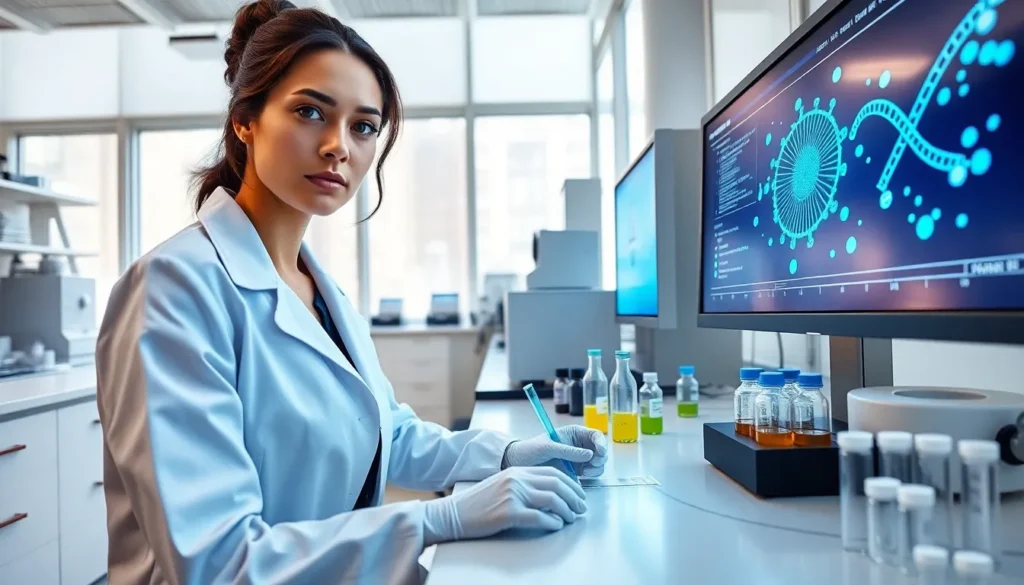
In a world where science fiction often feels like science fact, biotech solutions are leading the charge into a healthier future. Imagine a realm where tiny organisms tackle big problems like climate change and disease. It’s not just a dream; it’s happening right now. With the help of innovative minds, biotechnology is transforming everything from agriculture to medicine, proving that the future can indeed be brighter—and more efficient.
Overview of Biotech Solutions
Biotech solutions encompass a range of innovative technologies that leverage biological systems to solve complex challenges. In agriculture, biotechnological advancements improve crop yields through genetically modified organisms, enhancing pest resistance and reducing the need for chemical pesticides. They also contribute to sustainable farming practices, promoting soil health and reducing environmental impact.
In medicine, biotech solutions foster the development of targeted therapies and personalized medicine. This comprises gene editing techniques, such as CRISPR, which enable precise alterations to DNA to treat genetic disorders. Vaccines produced through biotechnological processes offer rapid responses to emerging diseases, as seen during the COVID-19 pandemic.
Biotechnology also plays a significant role in environmental management. Bioremediation uses microorganisms to clean up contaminated environments, effectively breaking down pollutants. Such solutions provide a practical approach to waste management and resource recovery, minimizing ecological damage.
Food production benefits from cultured meat and plant-based alternatives developed through biotechnology, addressing ethical concerns and reducing carbon footprints associated with traditional livestock farming. By innovating plant-based proteins, biotech solutions meet the growing demand for sustainable nutrition.
Lastly, biotech solutions lead advancements in industrial applications through enzyme production, enhancing efficiency in manufacturing processes. These enzymes facilitate faster reactions, lower energy consumption, and reduced waste generation.
Overall, biotech solutions forge a path toward a healthier future while addressing global challenges. Each application reflects a commitment to sustainability, ensuring that biotechnology remains a critical component of modern society.
Applications of Biotech Solutions

Biotech solutions impact multiple sectors significantly, bringing innovative advancements that address key challenges.
Healthcare Innovations
Biotech drives major healthcare innovations, particularly through gene editing techniques like CRISPR, enabling precise modifications to DNA. Targeted therapies emerge from these advancements, allowing for personalized medicine tailored to individual genetic profiles. Vaccines also benefit from biotech, as rapid development tools facilitate quicker responses to emerging diseases. Moreover, monoclonal antibodies play a crucial role in treating various conditions, showcasing biotech’s capabilities in fighting illnesses effectively.
Agricultural Improvements
Agricultural improvements stem from biotech solutions, enhancing crop yields through genetically modified organisms. Pest resistance increases significantly, reducing the need for chemical pesticides and contributing to sustainable farming practices. Biotech also focuses on developing drought-resistant crops to cope with climate change, ensuring food security. These advancements not only bolster productivity but also support environmental conservation efforts by minimizing resource use.
Environmental Sustainability
Environmental sustainability thrives through various biotech initiatives, particularly bioremediation, which employs microorganisms to detoxify polluted sites. Cleaner ecosystems result from these solutions, showcasing the potential of biological systems to restore natural balance. Additionally, cultured meat innovations reduce reliance on traditional livestock farming, thereby lowering greenhouse gas emissions. Plant-based alternatives emerge as viable options, promoting sustainable food production methods that protect natural resources.
Benefits of Biotech Solutions
Biotech solutions offer significant advantages across various sectors, enhancing efficiency and sustainability. These benefits encompass economic growth and social progress.
Economic Advantages
Biotech solutions drive economic growth by creating new markets and job opportunities. High-demand products like genetically modified crops and biopharmaceuticals contribute to increased agricultural and healthcare productivity. Companies that adopt biotechnology often experience reduced production costs, thanks to innovations like enzyme use and waste reduction strategies. Enhanced crop yields ensure food security, which stabilizes agricultural economies and supports rural communities. Additionally, biotech fosters research and development, encouraging investments that advance technologies and techniques. Overall, these economic advantages boost local and global economies, leading to increased prosperity.
Social Impacts
Biotech solutions significantly influence social well-being and quality of life. Innovations in medicine, such as personalized therapies and advanced vaccines, provide tailored treatments that improve health outcomes for individuals. Access to nutrient-rich genetically modified crops addresses hunger and malnutrition in vulnerable populations. Community education on sustainable practices further fosters environmental awareness and drives responsible stewardship. Biotechnological advancements also enable faster responses to emerging diseases, enhancing public health resilience. Overall, these social impacts contribute to improved living conditions and equity in healthcare access, promoting healthier communities.
Challenges in Biotech Solutions
Biotech solutions face numerous challenges that can hinder their potential impact across industries. These obstacles include ethical considerations and regulatory hurdles.
Ethical Considerations
Ethical concerns in biotechnology involve issues like genetic manipulation, potential unintended consequences, and long-term effects on health and ecosystems. Many stakeholders stress the importance of informed consent, particularly in medical applications. Controversies arise around genetically modified organisms (GMOs) and their effects on biodiversity. Public perception heavily influences the acceptance of biotechnological innovations, particularly in agriculture and medicine. Researchers strive to balance scientific advancement with ethical standards, emphasizing transparency and responsibility. Addressing these issues fosters public trust, crucial for the widespread adoption of biotech solutions.
Regulatory Hurdles
Navigating regulatory frameworks presents significant challenges for biotech solutions. Different countries impose varied regulations regarding the development, testing, and commercialization of biotech products. Compliance with safety assessments and environmental impact evaluations can delay product introduction. In the pharmaceutical sector, lengthy approval processes for new therapies often limit patient access to innovative treatments. Frequent updates in policies require continuous adaptation from biotech companies. Engaging with regulatory bodies throughout development ensures better alignment with guidelines, potentially easing the pathway to market. Optimizing compliance efforts benefits both innovation and public safety.
Future of Biotech Solutions
Advancements in biotech solutions promise to redefine numerous industries in the coming years. The integration of artificial intelligence into biotechnology enhances research efficiencies and accelerates the development of innovative therapies. CRISPR technology, with its precision in gene editing, continues to evolve, enabling scientists to tackle genetic disorders and enhance the resilience of crops effectively.
Cultured meat production offers a sustainable alternative to traditional livestock, presenting an opportunity to mitigate environmental impacts associated with farming. By producing protein alternatives through biotechnology, greenhouse gas emissions can significantly decrease. Furthermore, as more consumers become health-conscious, the demand for nutrient-rich genetically modified crops will likely rise.
Regulatory environments are shifting, suggesting an openness to biotechnological innovations. Engaging with regulatory bodies to streamline approval processes can facilitate faster market access for vital therapies, increasing patient access to groundbreaking treatments. Public awareness campaigns can play a vital role in informing people about the safety and benefits of biotech solutions, thus improving acceptance.
Partnerships between biotech firms and agricultural sectors are expected to bolster food security. Coordination can lead to the development of drought-resistant crops capable of thriving in changing climates. In parallel, investments in bioremediation efforts will encourage cleaner environments, aiding industries in sustainability initiatives.
The economic landscape is poised for growth, driven by the burgeoning biotech sector. Enhanced agricultural productivity alongside the rise of biopharmaceuticals can stabilize local economies and promote job creation. Overall, the future landscape for biotech solutions is increasingly bright, characterized by innovation, sustainability, and improved public health outcomes.
Biotech solutions are set to revolutionize various industries by addressing pressing global challenges. The advancements in agriculture and medicine not only promise enhanced productivity but also improve public health and environmental sustainability. As biotechnology continues to evolve it holds the potential to reshape how societies tackle issues like food security and disease management.
While challenges remain in terms of ethics and regulation the future looks promising. Increased collaboration between stakeholders and a more open regulatory environment can pave the way for innovative solutions. With continued investment and research the impact of biotechnology will likely lead to healthier communities and a more sustainable world.