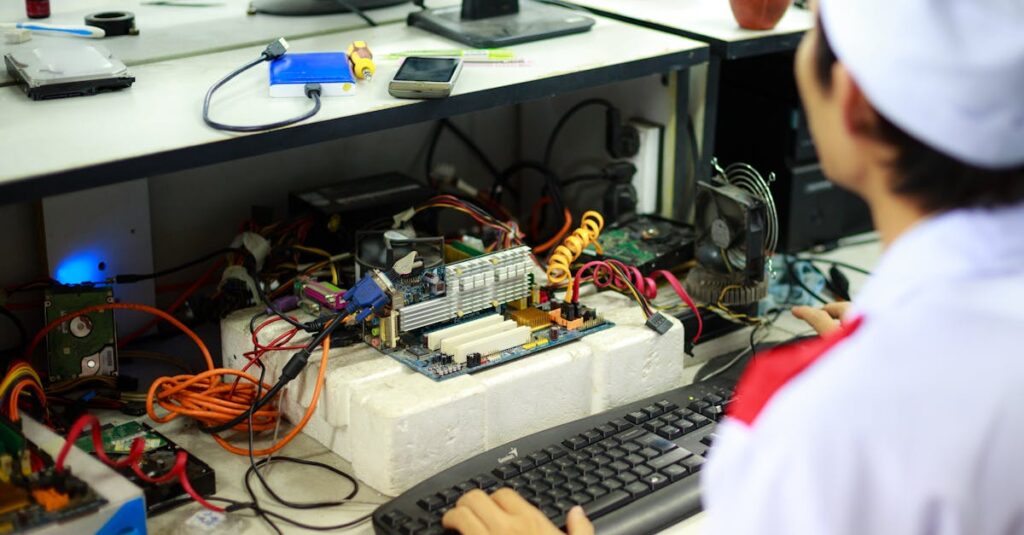
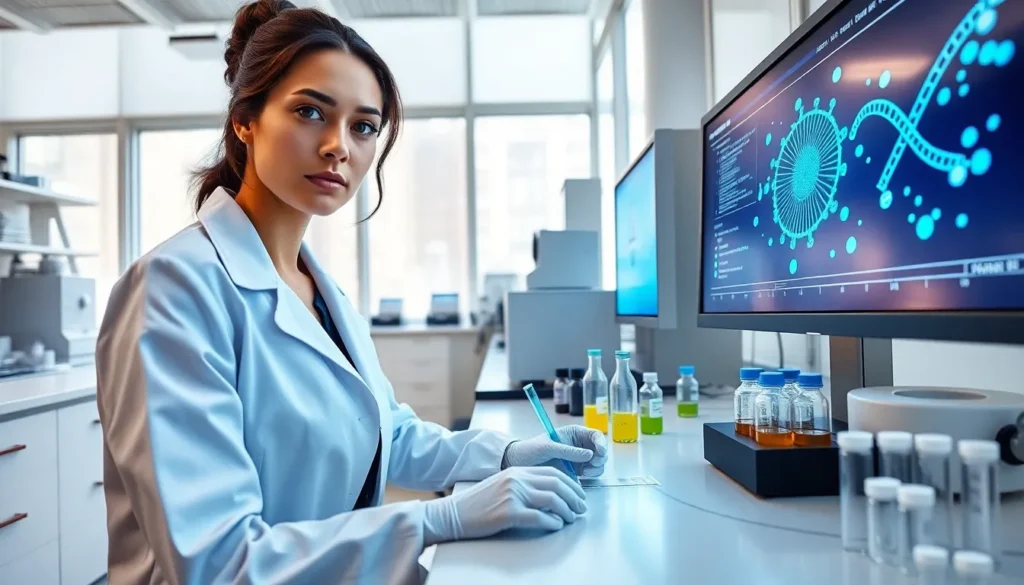
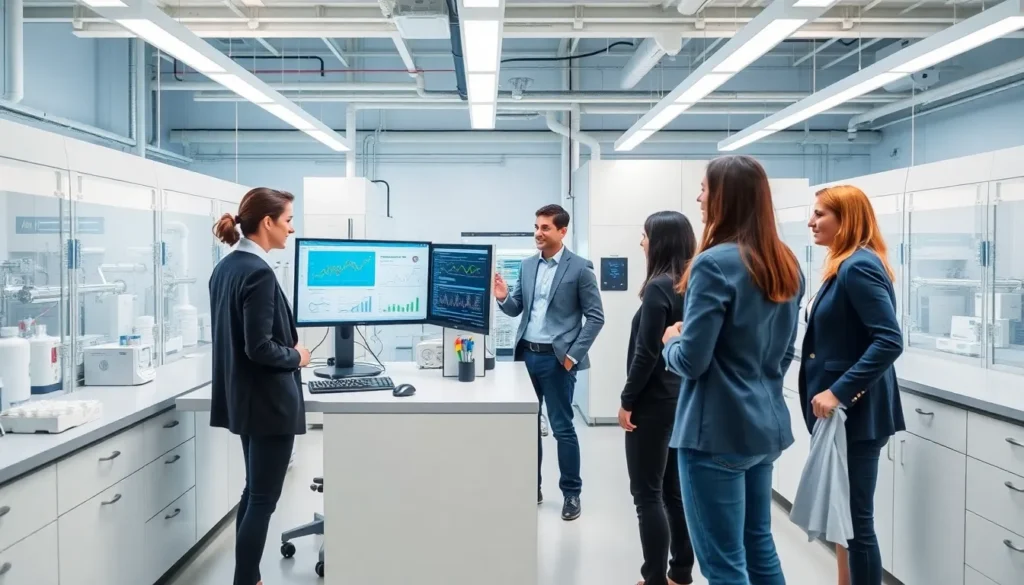
Biotech research facilities play a crucial role in advancing science and technology, driving innovations that can transform healthcare, agriculture, and environmental sustainability. These state-of-the-art centers are where brilliant minds collaborate to unlock the mysteries of biology, harnessing the power of genetics and molecular biology to develop groundbreaking solutions.
As the demand for sustainable practices and effective treatments grows, the significance of these facilities becomes even more apparent. They serve as incubators for new ideas, fostering an environment where experimentation and discovery thrive. From developing life-saving drugs to creating genetically modified crops, biotech research facilities are at the forefront of addressing some of the world’s most pressing challenges.
Overview of Biotech Research Facilities
Biotech research facilities serve as critical hubs for scientific innovation. These centers focus on developing technologies that improve health, enhance agricultural yield, and promote environmental sustainability. Equipped with advanced tools and experienced personnel, they enable researchers to conduct experiments that unlock biological insights and lead to breakthroughs in various fields.
Key Components of Biotech Research Facilities
- Laboratories: Specialized laboratories facilitate hands-on research with specific equipment and resources tailored for molecular biology, genetics, and microbiology.
- Collaboration Spaces: Open areas encourage teamwork among scientists, fostering knowledge exchange and facilitating multi-disciplinary projects that address complex problems.
- Research Equipment: State-of-the-art instruments, such as spectrometers, sequencers, and bioinformatics tools, support diverse research activities related to drug discovery and genetic modification.
Roles in Advancing Biotechnology
- Research and Development: Biotech facilities prioritize R&D to create new products, therapies, and agricultural techniques.
- Collaboration with Industry: Partnerships with pharmaceutical companies and agricultural firms drive technology transfer, ensuring practical application of research findings.
- Education and Training: Many facilities offer training programs, workshops, and internships to cultivate the next generation of scientists and technicians in the biotech industry.
Impact on Global Challenges
- Healthcare Solutions: Facilities contribute to developing vaccines, personalized medicine, and therapies for chronic diseases.
- Sustainable Agriculture: Research on genetically modified organisms (GMOs) aids in creating crops that withstand climate change and pests while maximizing yields.
- Environmental Initiatives: Biotech research assists in developing bioremediation techniques and sustainable practices that reduce environmental impacts.
Biotech research facilities play an integral role in pushing the boundaries of science, addressing pressing global issues through innovation and collaboration. Their contributions significantly impact healthcare, agriculture, and environmental sustainability.
Key Features of Biotech Research Facilities
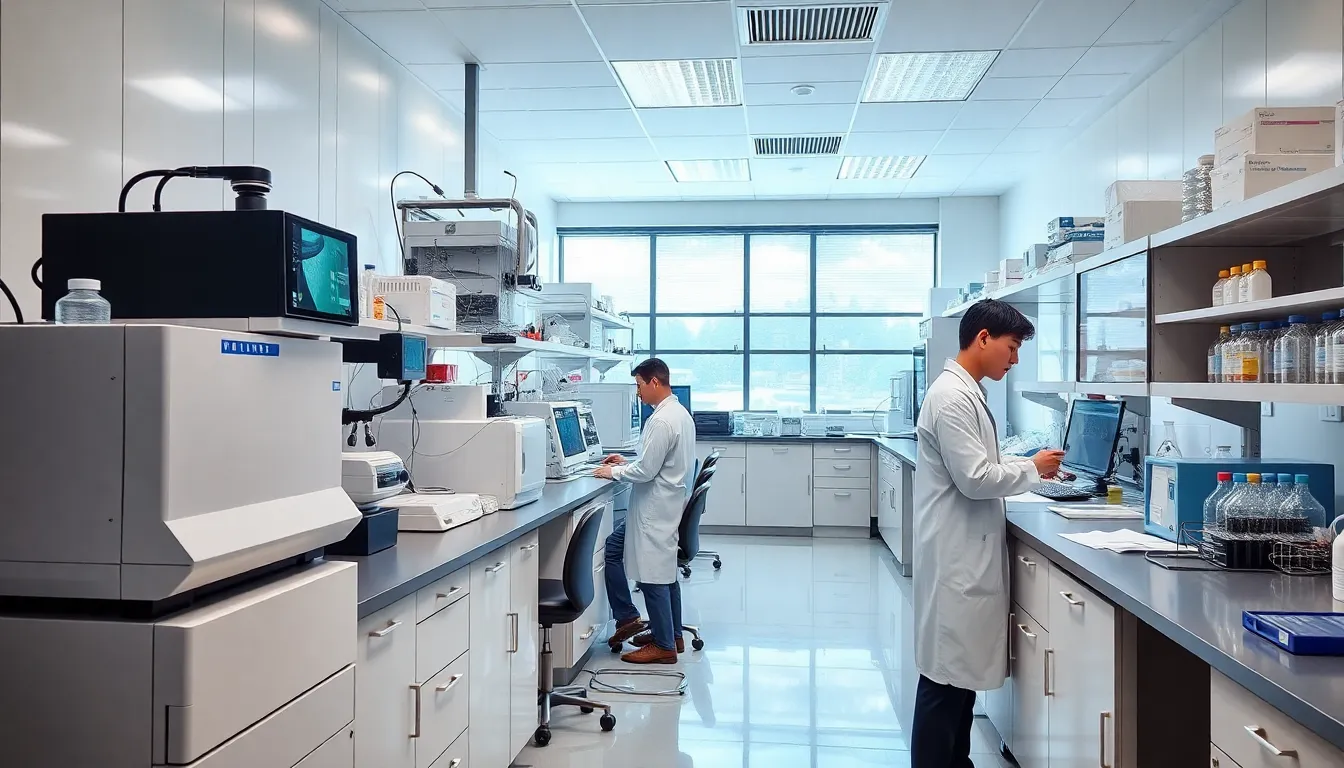
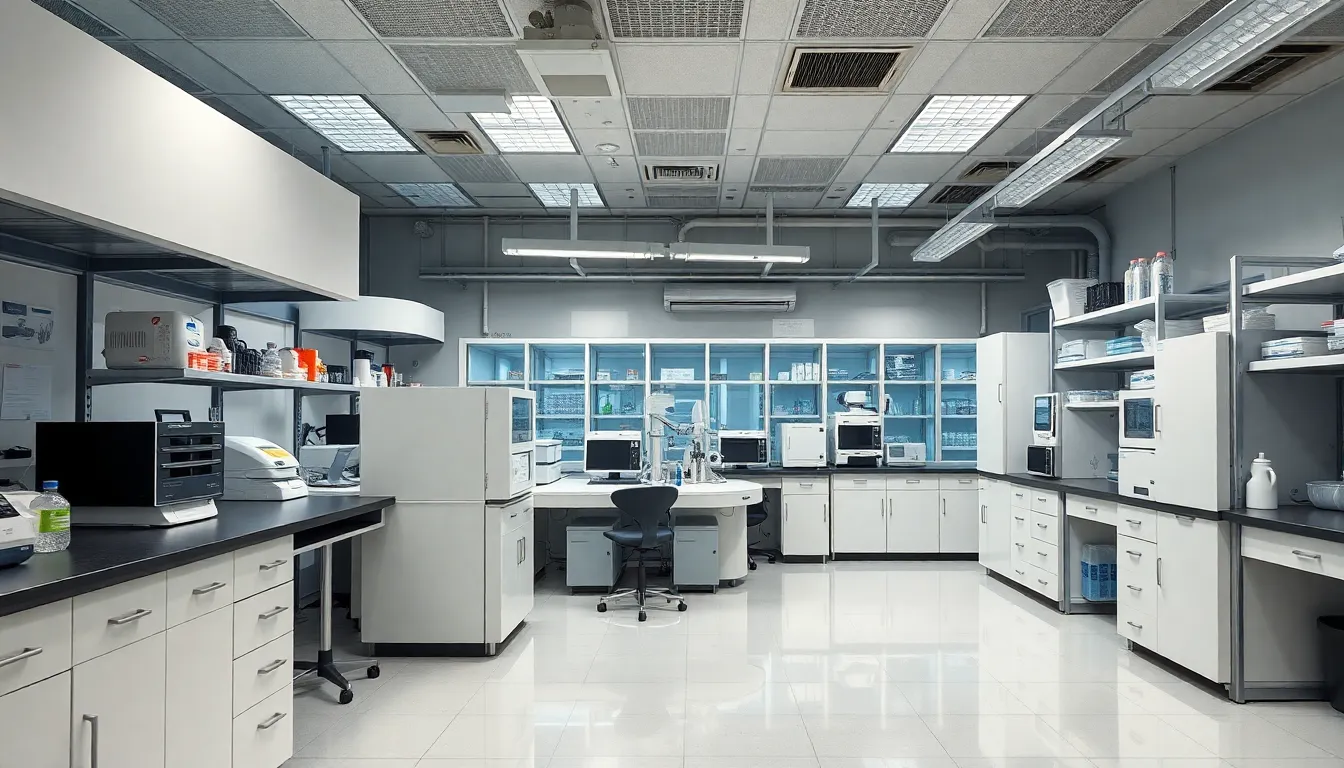
Biotech research facilities feature advanced tools and specialized environments essential for scientific advancement. These essential attributes support a range of biotechnological innovations across various fields.
State-of-the-Art Equipment
State-of-the-art equipment includes tools like high-throughput screening machines, mass spectrometers, and advanced imaging systems. These instruments enable researchers to conduct precise analyses and experiments efficiently. High-throughput screening machines facilitate the rapid evaluation of thousands of compounds for drug discovery. Mass spectrometers allow for detailed molecular characterization, while imaging systems provide insights into cellular processes. Together, this equipment accelerates research and development, ensuring discoveries align with current scientific demands.
Specialized Laboratories
Specialized laboratories are designed to accommodate specific research activities, such as molecular biology, microbiology, and biochemistry. Each lab features tailored environments equipped with necessary amenities, including biosafety cabinets, incubators, and sterilization units. Molecular biology labs often contain equipment for DNA sequencing and PCR (polymerase chain reaction), vital for genetic research. Microbiology labs include specialized growth chambers for cultivating microorganisms. Biochemistry labs focus on enzyme analysis and protein characterization, using advanced techniques for precise measurements. These specialized labs foster collaboration and innovation, enabling breakthroughs in various biotech projects.
Importance of Biotech Research Facilities
Biotech research facilities play a crucial role in driving scientific progress across various sectors. Through their advanced capabilities, these centers facilitate significant advancements in healthcare, environmental sustainability, and agriculture.
Advancements in Healthcare
Biotech research facilities contribute to critical healthcare advancements. They enable the development of innovative therapies and life-saving drugs. Research conducted in these facilities leads to breakthroughs like personalized medicine, gene therapy, and vaccines. For instance, facilities focus on the rapid development of vaccines, such as those for COVID-19, by using technologies like mRNA platforms. Their collaborative environment also supports multi-disciplinary teams, enhancing the efficiency and effectiveness of research processes.
Environmental Sustainability
Biotech research facilities address pressing environmental issues through robust research initiatives. They develop bioremediation techniques that utilize microorganisms to clean contaminated sites, promoting ecosystem health. Additionally, they foster the creation of sustainable agricultural practices. Techniques like genetic modification enhance crop resilience against climate change and pests, reducing the need for chemical fertilizers and pesticides. These facilities also conduct research on biofuels and biodegradable materials, contributing to a sustainable future.
Challenges Faced by Biotech Research Facilities
Biotech research facilities encounter various challenges that can impede their operations and limit research potential. Key challenges include funding and resource allocation issues, as well as the complexities of regulatory compliance.
Funding and Resource Allocation
Funding constraints present significant obstacles for biotech research facilities. Limited budgets can restrict the scope of research projects and the acquisition of cutting-edge technologies. Facilities often compete for grants from governmental bodies, private investors, and pharmaceutical companies, leading to inconsistent funding streams. Budget cuts in public research funding can negatively impact long-term projects, limiting their success. Research facilities must strategize to secure funding through collaborations, partnerships, and streamlined operational costs to overcome these challenges.
Regulatory Compliance
Regulatory compliance poses another challenge for biotech research facilities. These facilities must navigate a complex landscape of local, national, and international regulations regarding biotechnology and biosafety. Compliance with standards set by organizations such as the Food and Drug Administration (FDA) and the Environmental Protection Agency (EPA) is crucial. Meeting these regulations requires meticulous planning, documentation, and an understanding of legal frameworks. Non-compliance can lead to costly penalties and project delays. Effective training programs and dedicated compliance teams can help facilities manage regulatory requirements while facilitating innovative research.
Future Trends in Biotech Research Facilities
Biotech research facilities are poised to evolve significantly in response to emerging trends. These trends encompass advancements in technology, shifts in research focus, and enhanced collaboration across sectors.
- Integration of Artificial Intelligence
AI technologies enhance research efficiency in biotech facilities. AI algorithms analyze complex biological data, leading to faster discovery of drug candidates and more accurate predictions of treatment outcomes.
- Expansion of Personalized Medicine
Facilities increasingly focus on personalized medicine. Research emphasizes tailoring treatments to individual genetic profiles, improving efficacy and reducing adverse effects. This approach leverages advancements in genomics and bioinformatics.
- Increased Emphasis on Sustainability
Sustainability becomes a key priority in biotech research. Facilities adopt eco-friendly practices, such as waste reduction and energy-efficient technologies. Research into bioproducts and sustainable agricultural practices minimizes environmental impact.
- Collaborative Consortiums
Collaborative efforts among academic institutions, industry, and government entities are growing. These consortiums facilitate shared expertise and resources, accelerating the translation of research into practical applications.
- Enhanced Biomanufacturing Techniques
Innovations in biomanufacturing improve the production of biologics and biosimilars. Advanced fermentation processes and cell culture techniques increase yield and reduce production costs, making therapies more accessible.
- Regenerative Medicine Development
Regenerative medicine gains prominence within biotech facilities. Research aims at repairing or replacing damaged tissues and organs, using stem cells and tissue engineering. This field holds promise for treating degenerative diseases.
- Telehealth and Remote Collaboration
The rise of telehealth transforms how researchers collaborate. Virtual meetings and shared digital platforms offer opportunities for real-time data sharing and cooperative experimentation, enhancing global partnerships.
- Increased Focus on AgriTech
AgriTech integration drives innovation in agricultural biotechnology. Research facilities develop genetically engineered crops to improve yield and resistance to pests, contributing to food security amidst climate challenges.
As biotech research facilities adapt to these trends, they will continue to play a crucial role in scientific advancement. These shifts underscore the dynamic nature of biotechnology and its potential to address pressing global challenges effectively.