As the world grapples with climate change and dwindling fossil fuel reserves, alternative energy technology emerges as a beacon of hope. Innovations in solar, wind, and geothermal energy not only promise a cleaner future but also challenge traditional energy paradigms. These technologies are transforming how energy is produced and consumed, making sustainability more accessible than ever.
With advancements in efficiency and storage, alternative energy sources are becoming increasingly viable. They offer solutions that reduce carbon footprints while powering homes and industries alike. As governments and businesses invest in these technologies, the shift toward a greener economy accelerates, paving the way for a more sustainable planet. Exploring the latest developments in alternative energy tech reveals not just a trend but a necessary evolution for humanity’s future.
Overview of Alternative Energy Tech
Alternative energy technology encompasses innovative methods for harnessing renewable energy sources. These technologies aim to mitigate climate change and reduce reliance on fossil fuels.
Solar Energy
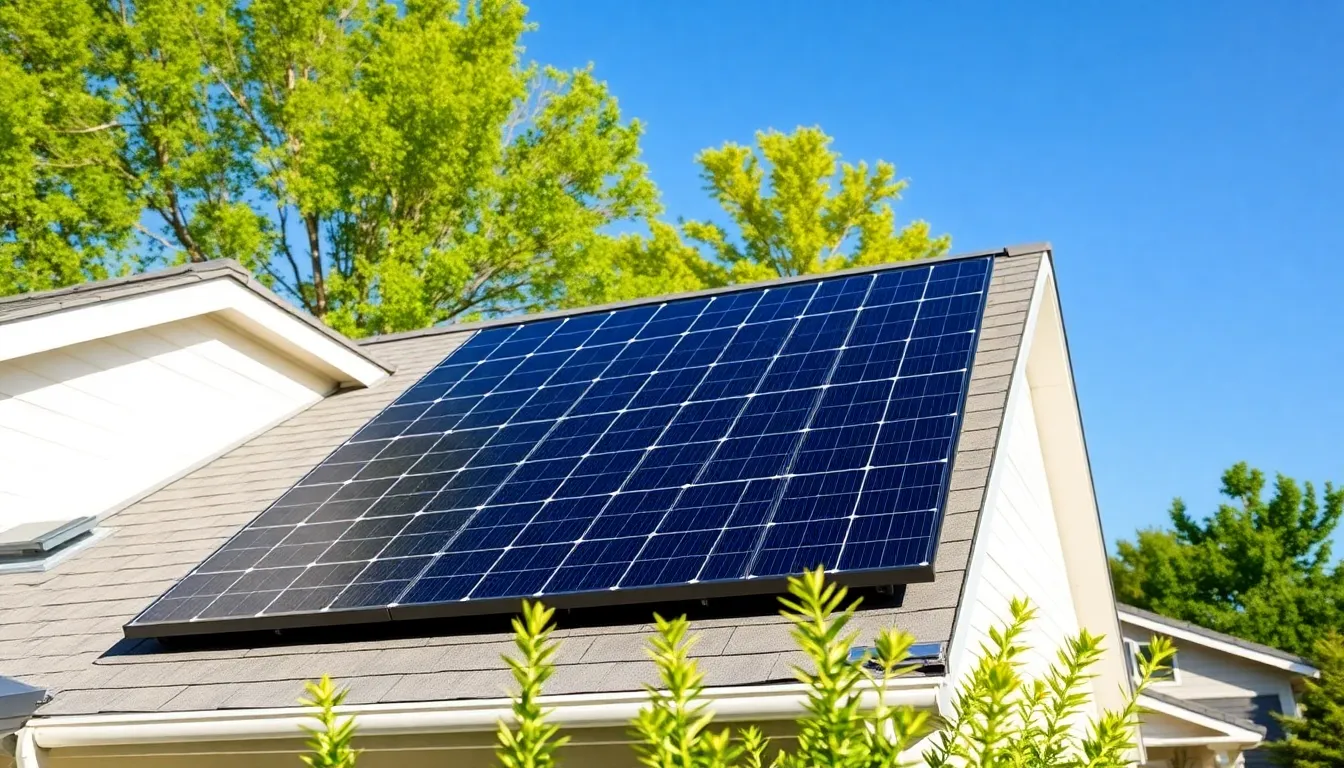
Solar energy involves converting sunlight into electricity using photovoltaic cells or solar thermal systems. This energy source stands out due to its scalability, from residential rooftop installations to large solar farms. In 2022, solar power generated about 4.2% of total U.S. electricity, showing significant growth potential.
Wind Energy
Wind energy utilizes wind turbines to convert kinetic energy into electrical power. Onshore and offshore wind farms are popular implementations, with offshore sites offering higher capacity factors. Wind power contributed approximately 9% of the U.S. electricity supply in 2022, showcasing its increasing role in the energy mix.
Geothermal Energy
Geothermal energy taps into the Earth’s internal heat for electricity production and direct heating applications. Using geothermal power plants, this technology efficiently harnesses thermal energy across various regions. The U.S. has significant geothermal resources, with potential to generate about 10 gigawatts of energy.
Hydropower
Hydropower generates energy from flowing water, making it the most established renewable source. Dams and run-of-the-river systems convert the energy of water into electricity. In 2022, hydropower accounted for around 31% of the U.S. renewable energy supply, emphasizing its critical role in the energy landscape.
Bioenergy
Bioenergy derives from organic materials such as plants and waste. This technology includes biofuels, biogas, and biomass. It contributes to sustainability by providing alternatives to traditional fossil fuels. In 2021, bioenergy produced about 5% of total U.S. energy consumption, demonstrating its integral position in the alternative energy sector.
Investments in alternative energy technology are on the rise, driven by both government initiatives and private sector innovation. These initiatives are crucial for facilitating the transition to a low-carbon economy and addressing global energy demands effectively.
Types of Alternative Energy Technologies
Alternative energy technologies encompass a variety of methods designed to convert natural resources into usable energy. These innovations focus on sustainability and efficiency, contributing significantly to the global energy landscape.
Solar Power Innovations
Solar power innovations include advancements in photovoltaic (PV) cells and solar thermal systems. New materials, such as perovskite, enhance energy conversion efficiency beyond 25%. Developing building-integrated photovoltaics (BIPV) integrates solar technology into building materials, significantly expanding application potential. Additionally, concentrated solar power (CSP) systems improve energy storage through thermal energy storage solutions, making solar energy more reliable and adaptable to grid demands.
Wind Energy Developments
Wind energy developments focus on larger, more efficient turbine designs that optimize energy capture. Turbines now exceed 10 megawatts (MW) in capacity, generating substantial amounts of electricity. Offshore wind farms gain traction, with less resistance and higher wind speeds, significantly increasing energy output. Innovations in smart grid technology enhance the integration of wind energy into existing power systems, ensuring consistency and reliability in energy supply.
Geothermal Energy Solutions
Geothermal energy solutions leverage the Earth’s internal heat for power generation and heating purposes. Enhanced geothermal systems (EGS) enable energy extraction from deeper geothermal reservoirs, expanding resource availability beyond traditional locations. Binary cycle power plants allow for lower temperature resources to generate electricity, improving the overall efficiency of geothermal energy use. Additionally, direct-use applications, such as district heating, showcase the versatility of geothermal energy in residential and commercial settings.
Benefits of Alternative Energy Tech
Alternative energy technology offers numerous advantages, playing a critical role in fostering sustainability and improving global energy dynamics. Below are key benefits associated with these technologies.
Environmental Impact
Alternative energy technologies significantly reduce greenhouse gas emissions, combating climate change. Solar energy systems produce no direct emissions during operation, while wind turbines generate electricity without air pollutants. Geothermal energy utilizes the Earth’s heat, minimizing environmental disturbances, and hydropower systems harness kinetic energy from water without harmful outputs. Bioenergy provides a cleaner alternative to fossil fuels, helping decrease waste by converting organic materials into usable energy. By mitigating pollution, these technologies support healthier ecosystems and enhance air quality.
Economic Advantages
Adopting alternative energy technologies drives job creation and stimulates economic growth. The solar and wind sectors, for example, employ over 400,000 workers in the U.S. alone. These industries continually expand, promoting innovation and competitiveness in global markets. Lower operational costs also result from using renewable resources, which rely less on imported fossil fuels. Additionally, investments in alternative energy can lead to substantial savings for consumers through reduced utility bills.
Energy Independence
Investing in alternative energy technology bolsters national energy independence by diversifying energy sources. Enhanced reliance on domestic resources, such as solar and wind, decreases vulnerability to foreign energy fluctuations and geopolitical tensions. Increased energy independence contributes to national security while stabilizing the economy. Transitioning to renewable resources forms a robust energy portfolio that positions countries strategically in the global energy landscape.
Challenges Facing Alternative Energy Tech
Alternative energy technologies face several challenges that hinder widespread adoption and implementation. These include initial investment costs, infrastructure limitations, and policy and regulation issues.
Initial Investment Costs
Initial investment costs significantly impact the deployment of alternative energy technologies. High upfront expenses associated with solar panels, wind turbines, and geothermal systems can deter potential investors. For example, the installation of solar energy systems can range from $15,000 to $25,000 for residential setups, depending on system size and location. The costs often necessitate financial incentives or subsidies from governments to stimulate adoption. Funding mechanisms, such as grants and loans, play an essential role in making these technologies accessible.
Infrastructure Limitations
Infrastructure limitations pose another significant challenge. Many regions lack the necessary grid infrastructure to support large-scale alternative energy projects. For instance, solar and wind energy generation often occurs in remote areas, requiring extensive transmission lines to deliver power to urban centers. This infrastructure gap can result in energy losses during transmission and higher costs for consumers. Additionally, existing power grids may not accommodate the intermittent nature of renewable sources, necessitating upgrades and investments in smart grid technologies to enhance reliability.
Policy and Regulation Issues
Policy and regulation issues can complicate the integration of alternative energy technologies. Inconsistent policies may create uncertainty for investors, slowing the pace of development. Regulatory frameworks often vary by state or region, affecting incentives for technology adoption. For example, Renewable Portfolio Standards (RPS) differ across states, influencing the market dynamics and competitiveness of alternative energy sources. Clear, stable policies are essential to streamline processes, encourage investments, and provide a favorable environment for innovation in alternative energy technologies.
Future Trends in Alternative Energy Tech
The future of alternative energy technology is marked by significant advancements that enhance efficiency and sustainability. Key areas of focus include advancements in battery storage and the integration of smart technology.
Advancements in Battery Storage
Advancements in battery storage technology are enabling more effective and efficient energy management. Lithium-ion batteries, known for their high energy density, are increasingly being supplemented by alternative options like solid-state batteries, which offer longer life cycles and faster charging capabilities. Flow batteries, which allow for scalable storage solutions, are gaining traction for their ability to deliver long-duration energy supply suitable for grid applications. Furthermore, innovations in recycling technologies aim to minimize waste and enhance resource recovery, addressing environmental concerns associated with battery production.
Integration of Smart Technology
Integration of smart technology into alternative energy systems enhances overall efficiency and user engagement. Smart grids utilize advanced communications technology to optimize energy distribution, ensuring a more reliable supply. Smart meters provide real-time monitoring, allowing consumers to track their energy use and adopt energy-saving habits. Additionally, smart appliances enable users to optimize consumption patterns based on energy availability, particularly when renewable sources generate optimal output. This synergy between alternative energy and smart technology fosters a responsive and resilient energy ecosystem, paving the way for a sustainable energy future.
Alternative energy technology is not just a trend; it’s a vital step toward a sustainable future. With innovations in solar, wind, geothermal, hydropower, and bioenergy, the energy landscape is rapidly evolving. These advancements are crucial for addressing climate change and reducing reliance on fossil fuels.
Investment in these technologies is accelerating the transition to a greener economy, enhancing energy independence while creating jobs. Despite challenges such as high initial costs and regulatory hurdles, the benefits far outweigh the obstacles.
The integration of smart technology and improvements in energy storage will further optimize energy management. As society moves forward, embracing alternative energy solutions will be essential for a healthier planet and a robust economy.