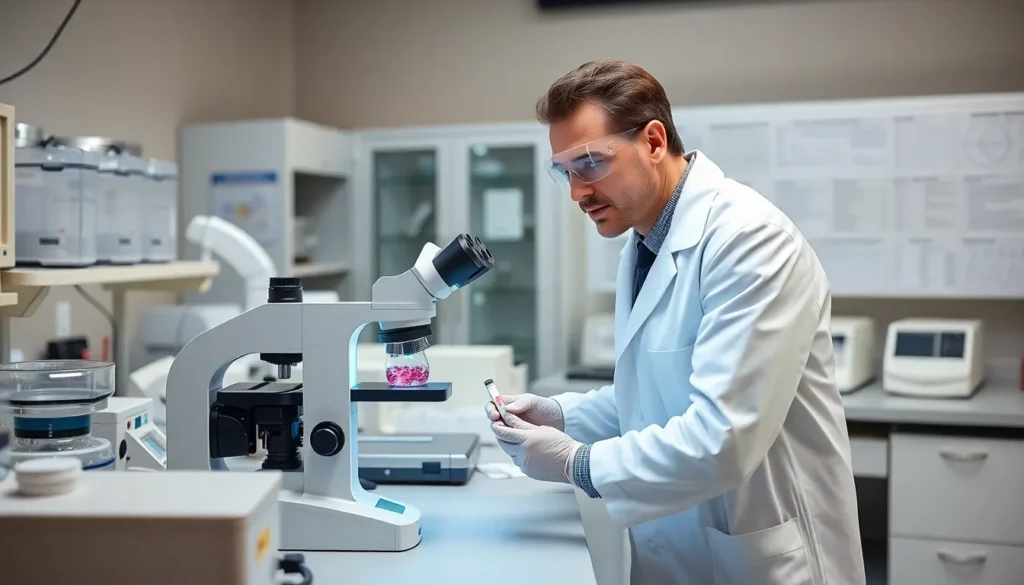
Have you ever wondered how medical technology really works behind the scenes? Meet the certified med tech, often the unsung hero in healthcare settings. From making sure lab results are accurate to ensuring that equipment runs smoothly, these professionals play a crucial role in patient care. In this text, we’ll jump into what it takes to become a certified med tech, explore the certification process, and highlight exciting career opportunities. Laughter might not be the best medicine, but knowing about certified med techs could be a close second.
Understanding the Role of a Certified Med Tech

Key Responsibilities and Duties
Certified medical technologists, or med techs, are key players in the healthcare universe. Think of them as the detectives of medical diagnostics. Their primary responsibilities include analyzing biological specimens, running complex tests, and interpreting results. They are often responsible for ensuring that laboratory instruments are maintained, calibrated, and functioning at their best. Also, med techs collaborate with physicians to discuss results and suggest potential next steps for patient care. What’s more, they maintain accurate records and ensure compliance with safety regulations to protect patient confidentiality and health.
Essential Skills and Qualifications
To thrive in this role, a med tech must possess a unique blend of technical skills and soft skills. Attention to detail is paramount, as even a minor error can lead to significant consequences in patient care. Technical proficiency in laboratory equipment is essential, paired with strong analytical skills for interpreting complex data. Communication is key, too, as med techs often relay critical information between the lab and medical staff. Education requirements typically include a bachelor’s degree in medical technology or a related field, alongside clinical training. Also, certification from a recognized body, like the American Society for Clinical Pathology (ASCP), is a must.
The Certification Process
Different Certification Options
The journey to becoming a certified med tech is both rigorous and rewarding. There are several certification options available, depending on individual career goals. The most recognized credentials include ASCP certification and National Credentialing Agency certification. Each organization has its own requirements, often necessitating a mix of education and clinical experience. For those looking to specialize, there are also niche certifications available, such as in cytotechnology or molecular biology.
Exam Preparation Tips
Preparing for med tech certification exams can feel daunting, but with the right strategies, it is manageable. First, create a study schedule that breaks down each topic and allows for regular review. Utilizing practice exams is also crucial, as they familiarize candidates with the test format and types of questions. Joining a study group can provide additional motivation and insights. Remember, it’s important to maintain a healthy study-life balance to avoid burnout.
Career Opportunities for Certified Med Techs
Work Environments and Settings
Certified med techs can find work in a variety of settings. Hospitals and clinical laboratories are the most common, but opportunities also exist in research institutions, public health agencies, and even pharmaceuticals. Each setting offers a unique perspective on the medical field: for example, working in a hospital often involves direct patient care, whereas a research lab might focus more on experimental data.
Potential Career Paths and Advancement
The career path for a med tech is quite promising. With additional experience and further education, certified med techs can move into managerial roles or specialize in specific areas like blood banking or microbiology. Some may even transition into education or consultancy roles within the healthcare industry. The opportunities for growth are varied and abundant, making this field a dynamic choice.
The Importance of Continuing Education
Staying Current with Industry Standards
In the fast-paced world of medical technology, staying updated on trends and standards is essential. Continuing education helps certified med techs enhance their skills and knowledge. Workshops, online courses, and conferences are excellent avenues for professional development. Also, many states require ongoing education credits for certification renewal. So, not only is it beneficial: it’s often necessary.
Networks and Professional Organizations
Connecting with peers in the industry can also provide valuable support and resources. Joining professional organizations like the American Medical Technologists (AMT) or the American Society for Clinical Laboratory Science (ASCLS) creates networking opportunities. These organizations offer access to the latest research, best practices, and professional development events, all while fostering a sense of community.