Home automation tech is transforming the way people live, making homes smarter and more efficient. With the rise of Internet of Things (IoT) devices, homeowners can now control everything from lighting to security with just a tap on their smartphones. This technology not only enhances convenience but also offers significant energy savings and improved security.
As more devices become interconnected, the possibilities for home automation continue to expand. Imagine adjusting your thermostat or locking your doors remotely, all while monitoring your home through smart cameras. This shift towards automation is not just a trend; it’s a new standard for modern living. Embracing home automation tech can lead to a more enjoyable and streamlined lifestyle, making it an essential consideration for anyone looking to upgrade their living space.
Overview of Home Automation Tech
Home automation tech integrates various devices to offer enhanced control and convenience within residential environments. This technology encompasses a wide range of Internet of Things (IoT) devices, including smart lighting, security systems, thermostats, and appliances.
Smart lighting allows users to adjust brightness and colors from their smartphones, creating ambiance tailored to specific activities. Security systems provide real-time surveillance and alerts, ensuring homeowners can monitor their property remotely. Thermostats contribute to energy efficiency, allowing adjustments based on preferences and occupancy patterns.
The growing adoption of home automation tech leads to interconnected devices that communicate seamlessly. For instance, a smart thermostat can adjust temperatures based on the presence of residents detected through motion sensors. These integrations enhance comfort while reducing energy consumption.
Home automation technology also supports voice control through systems like Amazon Alexa or Google Assistant. Users can operate devices with simple voice commands, simplifying daily tasks.
This technology has seen exponential growth, with projections estimating a market value of over $200 billion by 2026. Homeowners adopting this tech experience improved efficiencies and lifestyle benefits, making it a crucial consideration for modern living.
Benefits of Home Automation
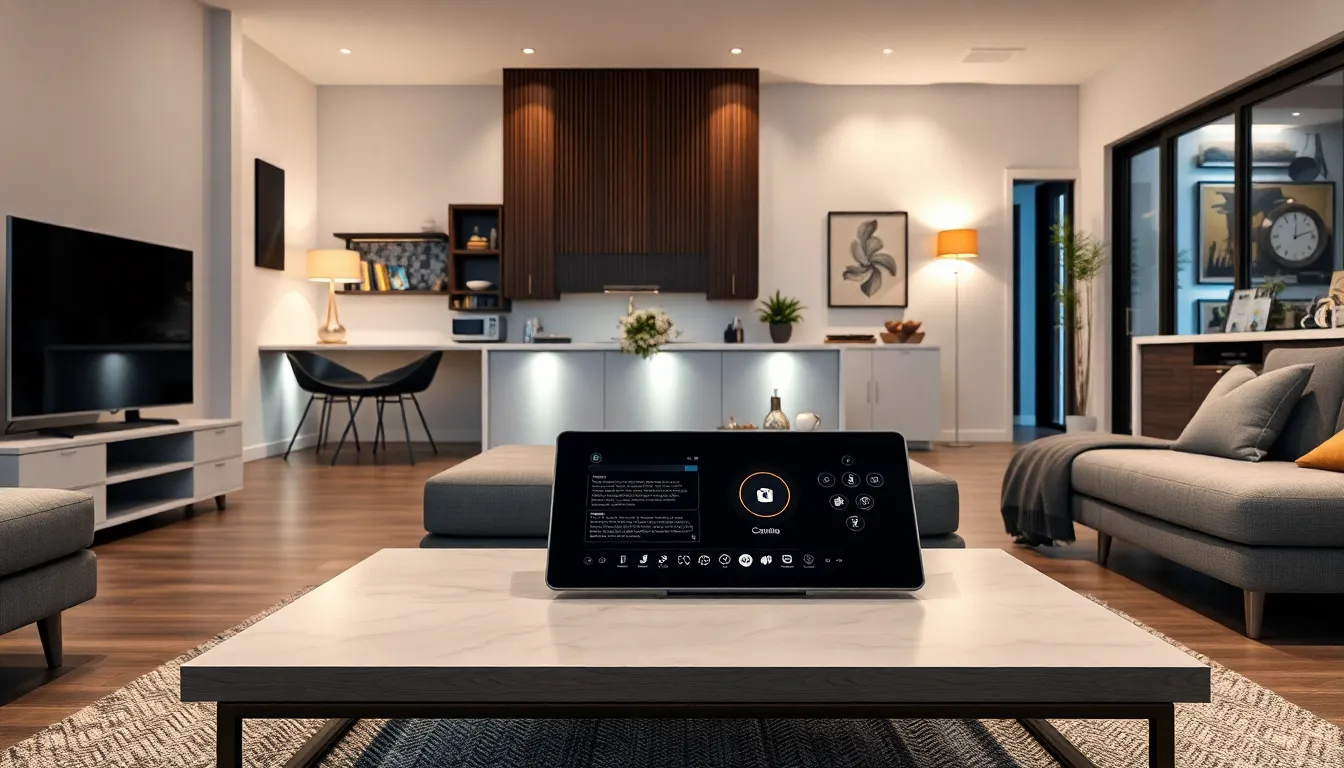
Home automation technology offers various advantages that enhance the living experience. Its impact reflects in convenience, energy efficiency, and security enhancements.
Convenience and Control
Convenience defines home automation. Homeowners can control devices remotely using smartphones or tablets, allowing for adjustments to lighting, temperature, and appliances from anywhere. Voice commands through systems like Amazon Alexa or Google Assistant simplify these tasks further. Scheduling features enable users to automate routines, such as adjusting the thermostat before arriving home or turning lights on at sunset. These capabilities allow for personalized comfort, tailored to individual preferences.
Energy Efficiency
Energy efficiency significantly improves with home automation. Smart thermostats intelligently learn usage patterns, optimizing heating and cooling for maximum efficiency. Devices like smart plugs monitor energy consumption, helping to identify energy-hungry appliances. Home automation systems encourage practices such as automatically turning off lights and devices when not in use, leading to reduced energy bills. Overall, these technologies contribute to a more sustainable living environment.
Security Enhancements
Security enhancements stand out as a critical benefit of home automation. Smart security systems include features such as real-time alerts, remote monitoring, and video surveillance that provide peace of mind. Homeowners can receive instant notifications about unusual activity and control locks from afar. Integration with smart lighting can simulate occupancy, deterring potential intruders. These measures foster a safer home environment and enhance overall security.
Popular Home Automation Devices
Home automation devices offer enhanced control and convenience, transforming daily routines and improving energy efficiency. Below are some of the most popular categories of devices in this growing market.
Smart Speakers
Smart speakers serve as central hubs for home automation, allowing users to control various connected devices. They integrate voice assistants, such as Amazon Alexa and Google Assistant, enabling hands-free operation for tasks like playing music, setting reminders, or adjusting smart home devices. Popular models include the Amazon Echo and Google Nest Audio. Users benefit from voice control, seamless integration with other smart devices, and access to a wide range of applications.
Smart Thermostats
Smart thermostats help optimize heating and cooling patterns, resulting in energy savings and increased comfort. These devices, like the Nest Learning Thermostat and ecobee SmartThermostat, learn user preferences and automatically adjust settings based on occupancy and weather conditions. Features include remote temperature control through mobile apps and energy reports that track consumption. Homeowners experience significant reductions in energy bills while maintaining comfortable living environments.
Security Cameras
Security cameras enhance home safety by providing real-time monitoring and alerts. Popular options include Ring, Arlo, and Blink, which offer features like motion detection, two-way audio, and night vision. Users can access live footage from smartphones, receive instant notifications of suspicious activity, and review recorded footage remotely. These devices improve security by deterring intruders and providing peace of mind, ensuring constant surveillance of properties.
Key Trends in Home Automation Tech
Home automation technology continues to evolve, driven by advancements in artificial intelligence (AI) and machine learning, alongside improvements in voice control systems. These trends significantly enhance user experience and broaden automation capabilities in daily life.
Integration with AI and Machine Learning
Integration of AI and machine learning in home automation systems enables more responsive and intelligent environments. These technologies analyze usage patterns, providing tailored recommendations for energy savings and increased efficiency. Devices learn from user interactions, adjusting behaviors accordingly. Smart thermostats, such as the Nest Learning Thermostat, adapt to preferences, optimizing climate control based on past behavior. Intelligent security systems can identify familiar faces through facial recognition, thereby reducing false alarms. Enhanced predictive analytics also allow for proactive maintenance alerts, ensuring peak performance of appliances and systems.
Voice Control Advancements
Voice control advancements enhance the user interface of home automation technology. Devices equipped with improved natural language processing capabilities understand and execute complex commands more effectively. Integration with platforms like Amazon Alexa and Google Assistant allows users to manage multiple devices with simple voice commands. This hands-free operation streamlines everyday tasks, such as adjusting lighting and temperature or controlling entertainment systems. Increased compatibility with various smart home devices enhances versatility, enabling seamless control across brands and ecosystems. Voice-controlled automation promotes accessibility, making smart living more inclusive for individuals with mobility challenges.
Challenges and Considerations
Home automation technology presents various challenges and considerations that require careful evaluation. Understanding these aspects helps homeowners make informed decisions about integration.
Privacy and Security Issues
Privacy and security issues pose significant challenges in home automation. These systems often collect vast amounts of data, from user preferences to daily routines. Cyberattacks targeting smart home devices can lead to unauthorized access. In fact, a report from the Cybersecurity & Infrastructure Security Agency (CISA) noted that 98% of smart home devices contain vulnerabilities. Implementing strong passwords and regularly updating device firmware is essential for protection. Utilizing network firewalls and secure Wi-Fi practices further enhances security. Homeowners must remain vigilant, monitoring their devices and considering secure alternatives, such as encrypted data transmission.
Compatibility and Standardization
Compatibility and standardization issues arise due to the diverse range of manufacturers and protocols in home automation. Many devices operate on different communication standards, leading to integration challenges. For example, a smart thermostat from one brand may not sync with a different manufacturer’s security system. According to the International Data Corporation (IDC), around 50% of consumers experience difficulties integrating multiple devices. Leveraging platforms like Google Home or Apple HomeKit can improve interoperability. Homeowners should prioritize purchasing devices that support widely accepted standards, ensuring a seamless experience and future-proofing their automation systems.
Home automation technology is reshaping how individuals interact with their living spaces. By integrating smart devices, homeowners can enjoy unprecedented convenience and control over their environments. The benefits extend beyond mere comfort to include significant energy savings and enhanced security measures.
As this technology continues to evolve, the potential for smarter living grows. With advancements in AI and machine learning, users can expect even more personalized experiences that cater to their unique preferences.
While challenges such as privacy concerns and compatibility issues exist, the rewards of adopting home automation technology far outweigh the drawbacks. Embracing these innovations not only streamlines daily routines but also paves the way for a more efficient and secure lifestyle.